

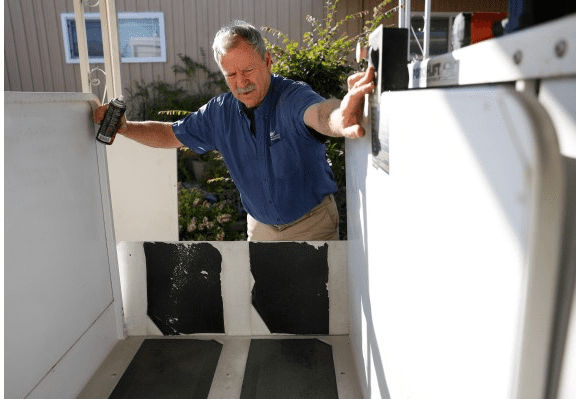
Facing concerns about health, finances and social isolation, older Americans say living longer isn’t better.
The cash crunch is real. On average, assisted living can cost $6,694 a month, about twice the average monthly rent in the Bay Area. The Pew study found a direct link between financial security and health outcomes. Only 26% of low-income seniors reported being in very good or excellent health, compared to 49% of those with the highest incomes. This changes the picture of living to 100: More than four in 10 adults are not confident they have enough cash to cover their retirement years.
Beyond money, there are other things seniors can do to make the prospect of living to 100 more appealing: Avoiding social isolation is part of staying sharp. Tee Lynn, 75, has leaned into community as she’s aged. A former school counselor, Lynn keeps a small circle of friends and volunteers at the Downtown Oakland Senior Center throughout the week. But, even as a self-proclaimed “lover of life,” she imagines living to about 85 or 90, and is unsure about the value of reaching 100.
Even those with a solid community still worry about the physical frailty that can come with age. Marina Miranda, 69, also has found friends at the Downtown Oakland Senior Center, where she spends most weekday mornings knitting and working on puzzles.
“I don’t like being stuck in the house. All you have is TV. And it gets hard if you don’t have a social life when you’re older,” she said.“I do have one fear as I age: If I become disabled, who will take care of me? I just live day by day. You can’t think about the future because you don’t know what’s gonna happen, and you can’t control what’s gonna happen in life.”
Her attitude toward control reflects a larger truth about aging. According to the Pew study, only three in 10 adults say they feel they have a fair amount of control over how they age, including their mental and physical health. Miranda maintains what control she can: small routines, polished nails, daily conversation at the center.
Like Miranda, Chuck Sieloff, has no target age. At 83, he is a longtime member of Avenidas Village, an aging-in-place program in Palo Alto, where he leads a monthly discussion group called the Healthy Aging Group. It is work that gives him insight into what he wants for his future.
“I’m a huge believer in ‘health span’ over lifespan,” he said. “It’s not about how long you live, but about how long you remain healthy.”